
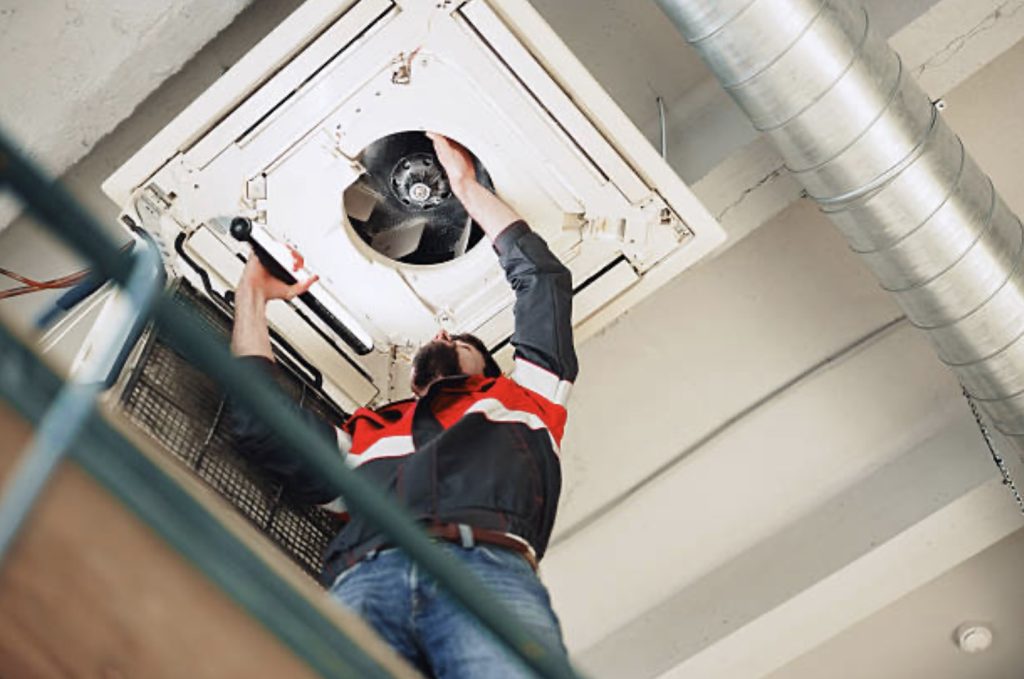
Understanding how to select a reliable contractor to clean your home’s air ducts is a crucial step toward ensuring that your indoor air quality is top-notch and your HVAC system continues to run efficiently. While duct cleaning is not a service that needs to be performed frequently, when the time comes—perhaps due to a noticeable decline in air quality, a renovation project, or the presence of mould or pests in the ductwork—choosing the right professional for the job becomes essential. With many companies offering this service, the differences in quality, experience, and professionalism can vary significantly. Taking a few considered steps to thoroughly vet potential contractors can make all the difference between a worthwhile investment and money wasted—or worse, leaving your system in worse shape than before.
Why Professional Duct Cleaning Matters
The ductwork in your home functions as the vascular system of your heating, ventilation and air conditioning (HVAC) system. Over time, dust, pet hair, pollen, and other airborne contaminants can accumulate in the ducts. In cases where moisture is present, the potential growth of mould is a serious concern. When ducts become significantly dirty, every cycle of the HVAC system can circulate these contaminants into the air, potentially triggering respiratory issues, allergies, and an overall decline in indoor air quality.
While regular maintenance of your heating and air conditioning unit is vital, the duct cleaning process is not something to be taken lightly or handed over to just anyone with a vacuum and ladder. There’s a science to performing a thorough, safe, and effective duct cleaning, and it’s important to hire someone trained in that science.
Confirm Industry Credentials
One of the first steps in evaluating a potential contractor is checking their credentials. In the UK, there isn’t a government-mandated licensing system specific to duct cleaners, but reputable contractors will often hold certifications or memberships with professional bodies.
Look for affiliations with industry groups like the National Air Duct Cleaners Association (NADCA) or similar reputable bodies. Although NADCA is based in the United States, international companies often follow its guidelines, and many reputable UK-based services will align with these recognised standards of duct cleaning. Additionally, being part of trade organisations such as the Heating and Ventilation Contractors’ Association (HVCA) suggests an adherence to industry norms.
Contractors should also hold appropriate insurance coverage. Public liability insurance and, where relevant, employers’ liability insurance protect both the homeowner and the contractor in the event of unexpected issues or accidents during the job.
Transparent and Detailed Estimates
A reliable contractor will offer a detailed, itemised estimate before performing the work. Beware of vague pricing schemes or “flat-rate” adverts without any explanation of what the service includes. It’s not uncommon for less reputable companies to advertise impossibly low prices to lure customers and then upsell additional services at inflated prices.
The right contractor will take the time to explain what’s involved in the job, such as cleaning the supply and return ductwork, grilles and diffusers, heat exchangers, drip pans, fan housing and fan motor. Ask them specifically which components are included and whether disinfection or sanitising treatments are necessary or even recommended.
Understand the Duct Cleaning Process
A professional should be willing to walk you through the cleaning process step-by-step. They should use advanced tools and techniques designed to dislodge and remove debris without damaging the system. The equipment might include truck-mounted vacuums or specialised portable units, along with rotary brushes and compressed air tools.
Key to a proper cleaning is the ability to place the system under negative pressure using a powerful vacuum collection device. This ensures contaminants are removed during the cleaning process rather than released into the air of your home. If the contractor cannot explain how they plan to achieve and monitor this negative pressure, it’s a red flag.
Furthermore, a reputable provider will ensure that access points into the ductwork are made professionally and sealed up properly afterwards. Ask them how they plan to access your duct system—cutting corners here can result in long-term leaks or damage.
Avoid High-Pressure Sales Tactics
Be wary of contractors who use scare tactics to convince you that immediate service is necessary. Claims that your ducts are “filled with toxic mould” or that your family’s health is at severe risk without an immediate cleaning should raise suspicion. While particle build-up and occasional mould growth can indeed present a concern, a legitimate professional will present the facts calmly and recommend action based on actual findings rather than fear.
It’s not uncommon for unscrupulous operators to inflate these kinds of fears in an effort to upsell unnecessary or overpriced services. Instead, look for a contractor who offers evidence-based recommendations, complete with photo documentation if possible, and who values transparency over sensationalism.
Reputation and References
Checking a company’s reputation is one of the simplest ways to gauge its reliability. Online reviews, testimonials, and independent review platforms such as Trustpilot or Checkatrade can provide useful insights, although they shouldn’t be the only source of evaluation.
Don’t hesitate to ask for references from past clients, particularly those who had their ducts cleaned in similarly sized homes or under similar circumstances. A brief conversation with a past client can yield valuable insights into the contractor’s professionalism, punctuality, and overall quality of service.
Also pay attention to how the company handles complaints. You can often find responses to online reviews or see correspondence with dissatisfied clients. A company that respectfully addresses concerns and strives to solve problems earns far more credibility than one that ignores them or reacts defensively.
Beware of “Too Good to Be True” Offers
It’s an unfortunate truth that duct cleaning is a common vehicle for scams. Be cautious of companies offering suspiciously low prices—these often come with hidden fees or result in subpar service. If a contractor claims they can clean the entire duct system in your home in under an hour, alarm bells should ring. A thorough duct cleaning in an average home can take between three to six hours, sometimes longer depending on the complexity of the ductwork.
Remember, quality work requires time, specialised equipment, and trained personnel. Expecting a professional carrying out a meticulous process at a bargain-basement price is unrealistic—and dangerous.
Environmental and Health Considerations
In certain scenarios, duct cleaning involves the application of chemical treatments such as sanitisers or biocides. These should only be used when there’s a confirmed presence of bacteria or mould, and even then, reputable contractors will use products certified as safe for use within HVAC systems and in compliance with UK health and safety standards.
Before any chemical is introduced, the contractor should inform you of the specific products and allow you to review the relevant safety data. Some people may have sensitivities or allergic reactions to chemical treatments, making transparency even more critical.
Ask whether the contractor uses HEPA filtration or environmentally conscious cleaning solutions. While not always necessary, cleaners who use eco-friendly practices demonstrate a broader commitment to responsible cleaning and overall wellbeing.
Post-Service Reporting and Warranties
A trustworthy contractor should provide documentation showing what work was done, possibly including before and after photos of the duct interiors. This level of reporting ensures accountability and gives you peace of mind that the service was carried out as promised.
Some companies may offer service warranties or satisfaction guarantees. While this shouldn’t be the sole basis of your decision, it’s a reassuring sign that the contractor stands behind their work. Clarify in writing what the warranty covers and how long it is valid.
Experience Matters
Experience goes hand in hand with expertise. Although every business starts somewhere, a company that has been operating for several years is more likely to have a track record of successful jobs and satisfied customers. Long-standing companies have usually weathered the learning curve and refined their techniques.
Don’t hesitate to ask about the training and experience levels of the actual technicians who will be entering your home. Even if the company itself has a reputable standing, it’s important that the team dispatched to your home is appropriately trained and experienced in duct cleaning specifically—not just general HVAC maintenance.
Communication and Professional Conduct
From your first phone call to the technicians showing up at your door, the level of professionalism says a lot about a company. Do they respond promptly to your enquiries? Are the staff courteous, patient and informative? Do they arrive in clean, marked vehicles and in uniform?
Professionalism isn’t just about appearances. It reflects how seriously a company takes its service, its customers, and its reputation. When technicians respect your home, arrive on time, and conduct the work with thoroughness and care, it usually points to rigorous internal standards and employee training.
Final Thoughts
Selecting the right contractor for duct cleaning requires careful consideration, attention to detail and a bit of due diligence. Armed with a clearer understanding of what the process should involve and what to expect from a top-tier provider, you can navigate the decision with confidence. Doing your homework not only ensures that the cleaning is done properly but also protects your home, your health and your financial investment.
Investing in a professional, competent service doesn’t just mean cleaner air today. It means a healthier living environment, greater energy efficiency and long-term savings on HVAC maintenance. Like any other important maintenance task on your home, the rewards of doing it right far outweigh the risks of cutting corners.